
Stainless Steel 201, 304, 316 Cable Ties – Durable and Reliable Fastening Solutions
By:Admin
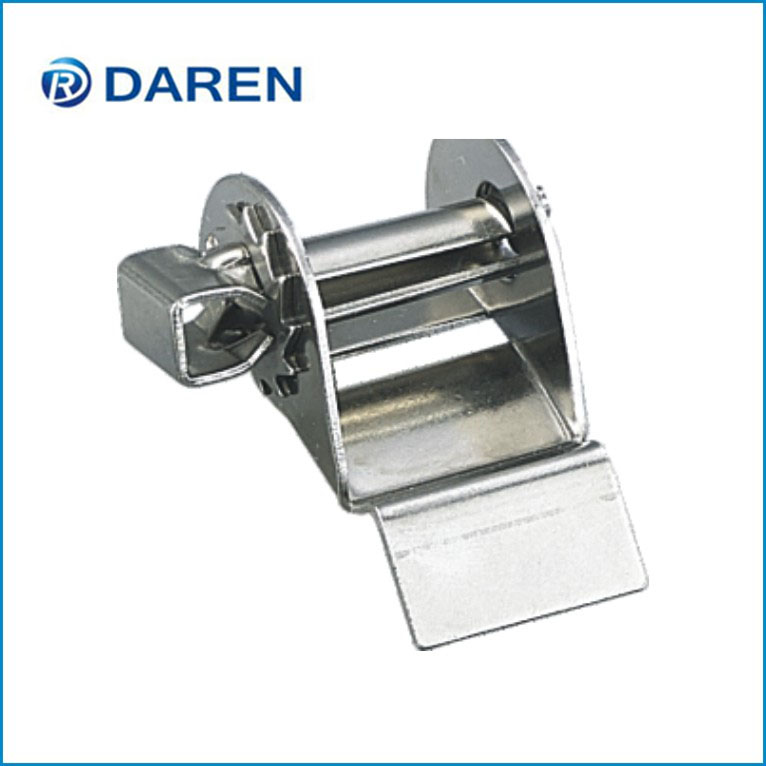
In the ever-evolving landscape of industrial components, stainless steel cable ties have emerged as essential tools across various sectors, ensuring secure fastening and durability under demanding conditions. China's stainless steel cable ties, particularly those produced using grades 201, 304, and 316 stainless steel, are gaining recognition worldwide for their outstanding quality, robust performance, and cost-effectiveness.
### Overview of Stainless Steel Cable Ties
Stainless steel cable ties are fastening solutions crafted to hold cables, wires, and pipes firmly in place, especially in environments where plastic ties might fail due to extreme temperatures, UV exposure, or corrosive elements. Unlike nylon ties, stainless steel variants offer exceptional resistance to corrosion, mechanical wear, and chemical degradation, making them ideal for industries such as marine, automotive, construction, electrical, and aerospace.
China, as a global manufacturing hub, has leveraged its advanced metallurgical capabilities and stringent quality controls to supply stainless steel cable ties that meet international standards. These ties are commonly fabricated from three primary stainless steel grades:
- **Grade 201:** Known as a more economical option, grade 201 stainless steel offers good corrosion resistance and tensile strength for applications with moderate exposure to harsh environments.
- **Grade 304:** The most widely used stainless steel grade, 304 provides excellent corrosion resistance and durability, suitable for a broad range of industrial needs.
- **Grade 316:** Engineered with molybdenum, grade 316 enhances resistance to chloride environments, making it the preferred choice for marine and chemical exposure applications.
### Advantages of China's Stainless Steel Cable Ties
China’s stainless steel cable ties combine cost efficiency with uncompromising quality, allowing industries globally to benefit from products that perform reliably in diverse environments. The manufacturing processes employed involve precision cold forming, surface passivation, and thorough quality inspections, ensuring that each cable tie withstands mechanical stress and environmental factors.
Moreover, China’s ability to scale production quickly allows competitive pricing without sacrificing quality. Today, Chinese stainless steel cable ties are exported to regions in Europe, America, Southeast Asia, and the Middle East, supporting projects ranging from infrastructure development to high-tech manufacturing.
### Company Introduction
Backing the supply of these advanced stainless steel cable ties is a company deeply rooted in excellence and innovation. With years of experience in stainless steel fasteners, the company has positioned itself as a leader in quality manufacturing, emphasizing customized solutions to meet client-specific needs.
The company’s manufacturing facility is equipped with state-of-the-art machinery that ensures tight tolerances and consistent product integrity. Its research and development division continuously explores new materials and production techniques, aiming to enhance the performance characteristics of its cable ties. This commitment extends to rigorous testing protocols, including tensile tests, corrosion resistance assessments, and environmental simulations.
Adhering to international certifications and standards such as ISO and RoHS, the company demonstrates reliability and dedication to sustainability. Additionally, their customer service team offers comprehensive technical support and after-sales care to ensure client satisfaction and repeat business.
### Industry Impact and Applications
The use of stainless steel cable ties in demanding industrial applications cannot be overstated. In the maritime sector, 316-grade ties secure cables and hoses exposed to saltwater sprays, preventing failures that could lead to costly downtime or safety hazards. In automotive manufacturing, 304-grade ties are employed in engine compartments and exhaust systems, where temperature fluctuations and vibration are common.
Furthermore, the construction industry benefits from grade 201 ties for internal wiring and plumbing applications, where their strength and corrosion resistance enhance durability without inflating budget costs. Electrical and telecommunications companies rely on these ties to organize wiring systems, ensuring both performance and compliance with safety codes.
With global environmental challenges and industrial requirements evolving, the resilience of China's stainless steel cable ties supports sustainable infrastructure and innovation. Their wide application spectrum underscores their critical role in modern engineering projects.
### Future Prospects
Looking forward, the demand for stainless steel cable ties is projected to grow steadily, driven by expanding infrastructure projects and stricter regulatory environments requiring durable and reliable materials. China’s manufacturing sector is well positioned to lead this growth, leveraging technological innovations and deepening global partnerships.
Ongoing advancements in material science and production technology are expected to introduce newer stainless steel grades and composite materials that will offer even greater performance benefits. The company’s proactive approach to research and customization will likely keep it at the forefront of this dynamic market.
### Conclusion
China’s stainless steel cable ties, available in grades 201, 304, and 316, are setting benchmarks for quality and reliability in fastening solutions across multiple industries. Supported by a company committed to excellence, innovation, and client-centric services, these cable ties are ensuring safer, longer-lasting, and more efficient infrastructures worldwide.
As industrial challenges continue to evolve, the steadfast performance of these stainless steel cable ties exemplifies China’s role in delivering products that meet global demands for strength, corrosion resistance, and durability. Whether in harsh marine environments, critical automotive assemblies, or complex electrical systems, these cable ties provide the robust fastening solutions required for today’s and tomorrow’s technological progress.